 By Callum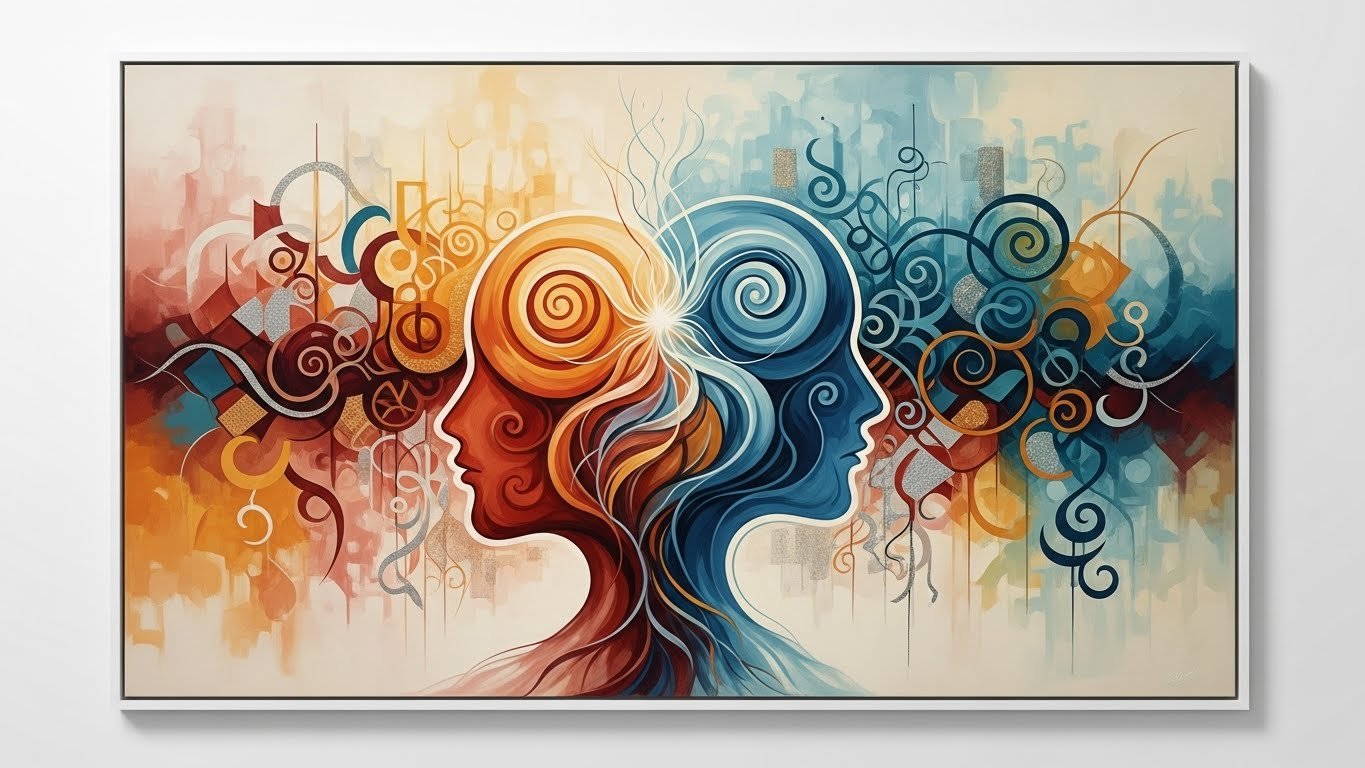
The word i̇ns holds a unique position in cultural and emotional expression. While simple in appearance, it carries deep significance across various fields—literature, psychology, creative arts, and human relationships. Its meaning evolves with time yet remains connected to the core of human identity.
In this article, we explore how i̇ns influences modern life, why it continues to resonate today, and what makes it a symbol of emotional truth and personal experience.
Origins and Cultural Significance of i̇ns
The concept of i̇ns has long been intertwined with ideas of humanity, self-awareness, and collective identity. Though the word itself is compact, its meaning stretches across traditions, languages, and cultures.
Linguistic Roots
Historically, i̇ns pointed to characteristics associated with human nature—thought, emotion, and internal reflection. Over time, its meaning expanded, becoming an emblem of the human experience.
Different cultures have adopted i̇ns in storytelling, philosophy, and everyday communication, reinforcing its timeless relevance.
Cultural Interpretation
In cultural contexts, i̇ns often represents the emotional and intellectual core of a person. It symbolizes authenticity, truth, and the desire to understand oneself and others.
Writers and thinkers frequently use i̇ns to describe the unseen forces that guide personal choices, relationships, and emotional expression.
Psychological Importance of i̇ns
Exploring the meaning of i̇ns from a psychological perspective uncovers its deeper connection to identity, empathy, and personal development.
Self-Identity and Inner Growth
Psychology emphasizes how individuals shape their identity throughout their lives. The idea of i̇ns aligns naturally with this process, symbolizing the inner awareness that helps guide personal evolution.
Many define i̇ns as a moment of clarity—an instant where one’s authentic self becomes visible.
Human Connection and Empathy
Empathy plays a crucial role in emotional intelligence, and i̇ns reflects this through its association with understanding and compassion.
In a world filled with fast-paced digital interaction, i̇ns becomes a reminder of the importance of genuine human connection.
i̇ns in Creative and Artistic Expression
Creativity thrives on emotion, imagination, and identity—all central themes of i̇ns. Artists and writers often find inspiration in this concept due to its depth and versatility.
Literary Influence
In literature, i̇ns frequently emerges as a symbol of personal struggle, character development, or emotional awakening. Stories built around i̇ns tend to explore themes of vulnerability, resilience, and the search for meaning.
Such narratives resonate with readers because i̇ns reflects universal truths that span cultures and generations.
Artistic Symbolism
Visual artists use abstract forms, subtle color transitions, and symbolic elements to represent i̇ns. These artistic interpretations aim to express emotions or states of mind that are difficult to capture through language alone.
This is why i̇ns often appears in contemporary art as a motif for introspection and emotional depth.
Digital Creativity
In modern creative fields, i̇ns shapes trends that prioritize authenticity—such as minimalism, emotional storytelling, and identity-focused content.
Its influence in digital creativity demonstrates how timeless concepts continue to evolve in the digital age.
Social Influence and Lifestyle Relevance of i̇ns
Beyond art and psychology, i̇ns plays a key role in shaping modern lifestyle choices and social behaviors.
Community and Belonging
Humans naturally seek connection, and i̇ns symbolizes that desire to belong to a community. Whether through traditions, shared values, or online groups, i̇ns reinforces the idea that personal identity is enhanced by collective experience.
Wellness and Emotional Health
In wellness practices, i̇ns is often associated with mindfulness, inner peace, and emotional grounding. People express i̇ns through meditation, journaling, or creative routines that help them reconnect with their true selves.
As mental health grows in importance globally, the symbolic meaning of i̇ns becomes even more relevant.
i̇ns in Innovation and the Future
The future of i̇ns lies in its ability to adapt as culture, technology, and identity continue to evolve.
Human-Centered Technology
As technology advances, creators focus increasingly on emotional engagement and meaningful user experiences. The idea of i̇ns supports this shift by highlighting the importance of empathy, simplicity, and intuitive design in innovation.
Technologies shaped with i̇ns prioritize human needs rather than complexity.
Changing Interpretations
Future generations may reinterpret i̇ns in new ways, integrating it into digital culture, global communication, and modern artistic practices.
This adaptability ensures that i̇ns remains a relevant and evolving concept.
Conclusion
The concept of i̇ns bridges past and present, emotion and intellect, individuality and community. Its cultural, psychological, and creative significance makes it a powerful symbol of human identity.
Whether used in literature, art, wellness, or modern innovation, i̇ns continues to shape how people express themselves and connect with the world.
Its enduring relevance proves that meaningful ideas can thrive even in the simplest forms—and i̇ns, with its depth and versatility, stands as a testament to that truth.