 By Callum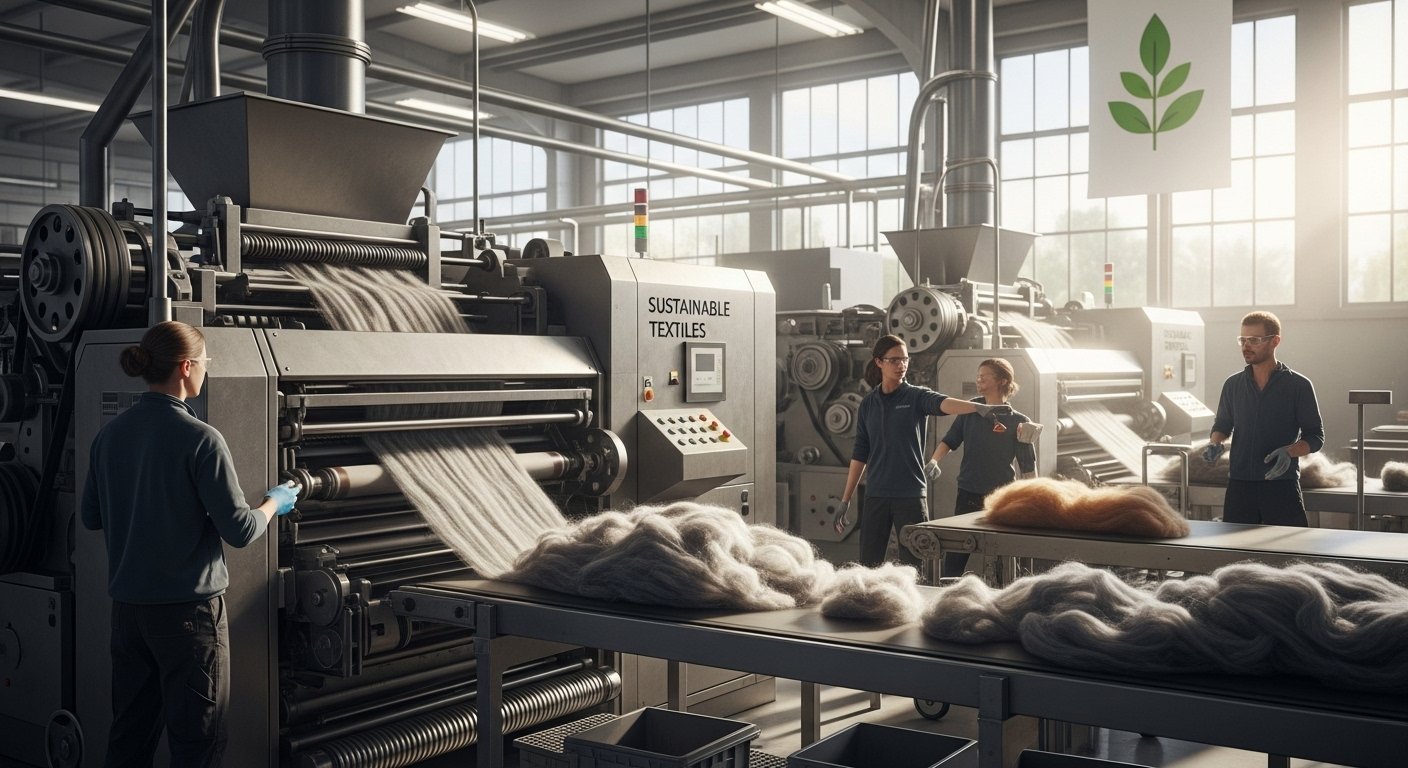
The global textile industry is undergoing a massive shift toward sustainability, and Woolrec stands at the forefront of this transformation. As concerns about waste, pollution, and fast fashion rise, innovative solutions like Woolrec are changing how we view and use one of nature’s oldest fibers — wool. This article explores the origins, technology, and impact of Woolrec, and how it is helping to build a more circular and responsible fashion ecosystem.
The Need for a Circular Wool Economy
The textile industry is one of the largest contributors to global waste. Traditional wool production, while more natural than synthetics, still involves resource-intensive processes — from raising sheep to dyeing and finishing fabrics. Each stage carries an environmental cost.
The concept behind Woolrec arises from the urgent need to minimize waste and extend the lifecycle of wool fibers. Instead of discarding wool garments at the end of their use, Woolrec collects, processes, and repurposes them into high-quality fibers suitable for new textiles. This approach creates a circular economy — one where nothing truly goes to waste.
What is Woolrec?
At its core, Woolrec is a wool recycling system that reclaims post-consumer and pre-consumer wool waste. Through advanced mechanical and chemical recycling technologies, it transforms discarded wool products into reusable fibers that retain the softness, warmth, and durability of virgin wool.
Unlike conventional recycling processes that often degrade fiber quality, Woolrec’s proprietary method focuses on maintaining integrity and performance. This innovation allows designers and manufacturers to use recycled wool in premium apparel, upholstery, and even industrial applications.
The Technology Behind Woolrec
Woolrec employs a multi-step process that blends traditional craftsmanship with modern innovation:
- Collection & Sorting: Used wool garments and production scraps are gathered from consumers, retailers, and factories. They’re sorted by color, composition, and quality to ensure uniform results.
- Cleaning & Preparation: The wool is cleaned using eco-friendly detergents and minimal water, removing dirt and contaminants without harsh chemicals.
- Fiber Recovery: The cleaned material is processed through fine mechanical systems that gently separate the fibers without significant damage.
- Blending & Re-Spinning: Recovered fibers are blended with virgin or recycled wool to achieve desired textures, then spun into new yarns ready for weaving or knitting.
Each step is optimized to reduce carbon emissions, conserve water, and minimize energy usage — key principles that set Woolrec apart from conventional textile recycling.
Sustainability and Environmental Impact
The environmental advantages of Woolrec are significant. By extending the lifespan of wool, the process reduces the need for virgin wool production, which in turn decreases land use, methane emissions from sheep, and the overall carbon footprint.
Key environmental benefits include:
- Waste Reduction: Diverts tons of wool waste from landfills each year.
- Resource Efficiency: Lowers energy and water consumption compared to new wool processing.
- Circularity Promotion: Encourages closed-loop systems in textile manufacturing.
This sustainability model supports the United Nations’ Sustainable Development Goals (SDGs), particularly those focused on responsible consumption and climate action.
Applications of Woolrec Fibers
The beauty of Woolrec lies in its versatility. The recycled fibers are suitable for a wide range of industries:
- Fashion: Designers use Woolrec fibers in coats, sweaters, and scarves without compromising softness or style.
- Home Textiles: Blankets, carpets, and upholstery materials benefit from the durability and warmth of recycled wool.
- Automotive: Woolrec fibers are even finding their way into car interiors, offering natural insulation and comfort.
- Industrial Uses: The material’s strength and flame resistance make it valuable in specialized technical fabrics.
By making recycled wool fashionable and functional, Woolrec bridges the gap between sustainability and aesthetics.
Supporting Local Economies and Artisans
Another key aspect of Woolrec is its positive social impact. The initiative often partners with local textile communities, especially in regions with rich wool-processing traditions. This collaboration preserves traditional craftsmanship while introducing sustainable practices and advanced recycling methods.
Local artisans gain new opportunities to work with high-quality, eco-conscious materials, helping them stay competitive in the modern market. In this way, Woolrec supports both environmental and social sustainability.
The Role of Innovation in Woolrec’s Success
Technological innovation drives the effectiveness of Woolrec. The company continues to invest in research and development to improve fiber recovery efficiency, reduce process waste, and enhance color consistency.
Emerging innovations include:
- AI-Powered Sorting Systems that automatically identify fiber types for higher recycling accuracy.
- Waterless Cleaning Techniques using advanced filtration systems to eliminate wastewater discharge.
- Circular Design Collaborations with brands that design products specifically for recyclability through the Woolrec process.
Through these advancements, Woolrec is not just recycling materials — it’s rethinking the entire lifecycle of wool products.
Fashion Brands Embracing Woolrec
Several forward-thinking brands are already incorporating Woolrec materials into their collections. Sustainable fashion labels appreciate the transparency and traceability Woolrec provides. Each batch of recycled wool can be tracked from collection to finished product, allowing brands to share verified sustainability stories with their customers.
Luxury designers also value the quality of Woolrec fibers, which rival virgin wool in softness and strength. This combination of performance and responsibility is redefining what “eco-luxury” means in modern fashion.
Consumer Awareness and Responsibility
While technological solutions like Woolrec are crucial, consumer behavior remains a key factor in sustainability. Woolrec encourages consumers to participate in the recycling cycle by returning old wool garments instead of throwing them away.
Educational initiatives and labeling systems inform customers about how their contributions support a greener planet. When shoppers understand that their actions directly feed into the Woolrec cycle, they become active participants in the movement toward sustainable fashion.
The Global Vision of Woolrec
The long-term goal of Woolrec extends far beyond textiles. It aims to inspire a global shift toward material responsibility across industries. By proving that high-quality recycled wool is commercially viable, Woolrec sets a precedent for similar systems in cotton, silk, and synthetic fiber recycling.
Its model demonstrates that sustainability and profitability can coexist — a message that resonates with policymakers, investors, and consumers alike.
Challenges in Wool Recycling
Despite its success, Woolrec faces several challenges that shape its ongoing innovation:
- Fiber Contamination: Many wool garments contain blends of synthetic fibers, complicating recycling.
- Collection Logistics: Gathering and sorting used wool on a large scale requires strong infrastructure and collaboration.
- Consumer Participation: Not all consumers are aware of recycling options for wool textiles.
Addressing these issues requires cooperation across supply chains, from producers to retailers to consumers. Woolrec’s transparent and collaborative approach helps bridge these gaps.
The Economic Value of Woolrec
Beyond environmental impact, Woolrec offers significant economic advantages. Recycled fibers reduce dependence on volatile raw material markets and allow brands to stabilize production costs. Moreover, new business models — such as take-back programs and material resale — create fresh revenue streams.
As governments introduce stricter regulations on waste management and circular production, Woolrec’s sustainable framework provides companies with a competitive advantage.
The Future of Woolrec
Looking ahead, Woolrec envisions expanding its operations globally. Future developments may include:
- Regional recycling hubs to reduce transportation emissions.
- Partnerships with major fashion houses to scale adoption.
- Consumer return programs integrated with retail platforms.
- Cross-industry collaborations to promote broader textile recycling initiatives.
The journey of Woolrec is a testament to what’s possible when innovation meets sustainability. It reflects a future where waste becomes a resource, and fashion harmonizes with nature.
Conclusion: A Thread Toward a Greener Tomorrow
In an era defined by environmental challenges, Woolrec exemplifies how forward-thinking innovation can reshape entire industries. By turning discarded wool into valuable new materials, Woolrec not only reduces waste but also inspires a shift in mindset — from linear consumption to circular creation.
Its story is one of renewal, responsibility, and resilience. As more brands and consumers embrace recycled textiles, the ripple effect of Woolrec’s vision will continue to grow — weaving a future where sustainability is not just an option but a way of life.